
What the Cyclospora Outbreak Can Teach Us About Thinking Like a Doctor
Why uncertainty is the foundation of good medical thinking

Over the past few weeks, I’ve received thousands of questions about the Cyclospora outbreak:
Should we stop eating lettuce?
Is Taco Bell definitely responsible?
Why hasn’t the CDC identified the source yet?
Is someone covering this up?
I understand why people are frustrated. When hundreds of people become sick, we all want answers immediately, but hhere’s something that may surprise you:
One of the hardest parts of medicine isn’t knowing the answer. It’s knowing how to think before you have one.
One of the biggest misconceptions about doctors is that we always have certainty. In reality, medicine is filled with uncertainty. We make decisions based on the best available evidence, recognize the limits of what we know, and remain willing to change our minds as new information emerges.
That’s exactly what’s happening with this outbreak.
Public health investigators are interviewing patients, tracing supply chains, comparing food histories, performing laboratory testing, and trying to find a common source. Sometimes, those investigations identify the culprit quickly. Sometimes, they take weeks. Occasionally, despite everyone’s best efforts, they never find a definitive answer.
That uncertainty can feel uncomfortable. Unfortunately, uncertainty also creates the perfect environment for misinformation.
Within hours of the first headlines, social media was filled with people who already “knew” the source. Others confidently blamed government agencies. Some claimed this was proof that certain foods are inherently dangerous. Many of those claims spread far faster than the actual evidence.
One lesson I’ve learned after years of creating health content is this:
The people who sound the most confident are not always the ones who know the most.
Science rarely speaks in absolutes. Good physicians and scientists often say, “Here’s what we know. Here’s what we don’t know. Here’s what we’re doing to find out.”
That isn’t weakness. That’s intellectual honesty. In fact, I would argue it’s one of the greatest strengths of medicine.
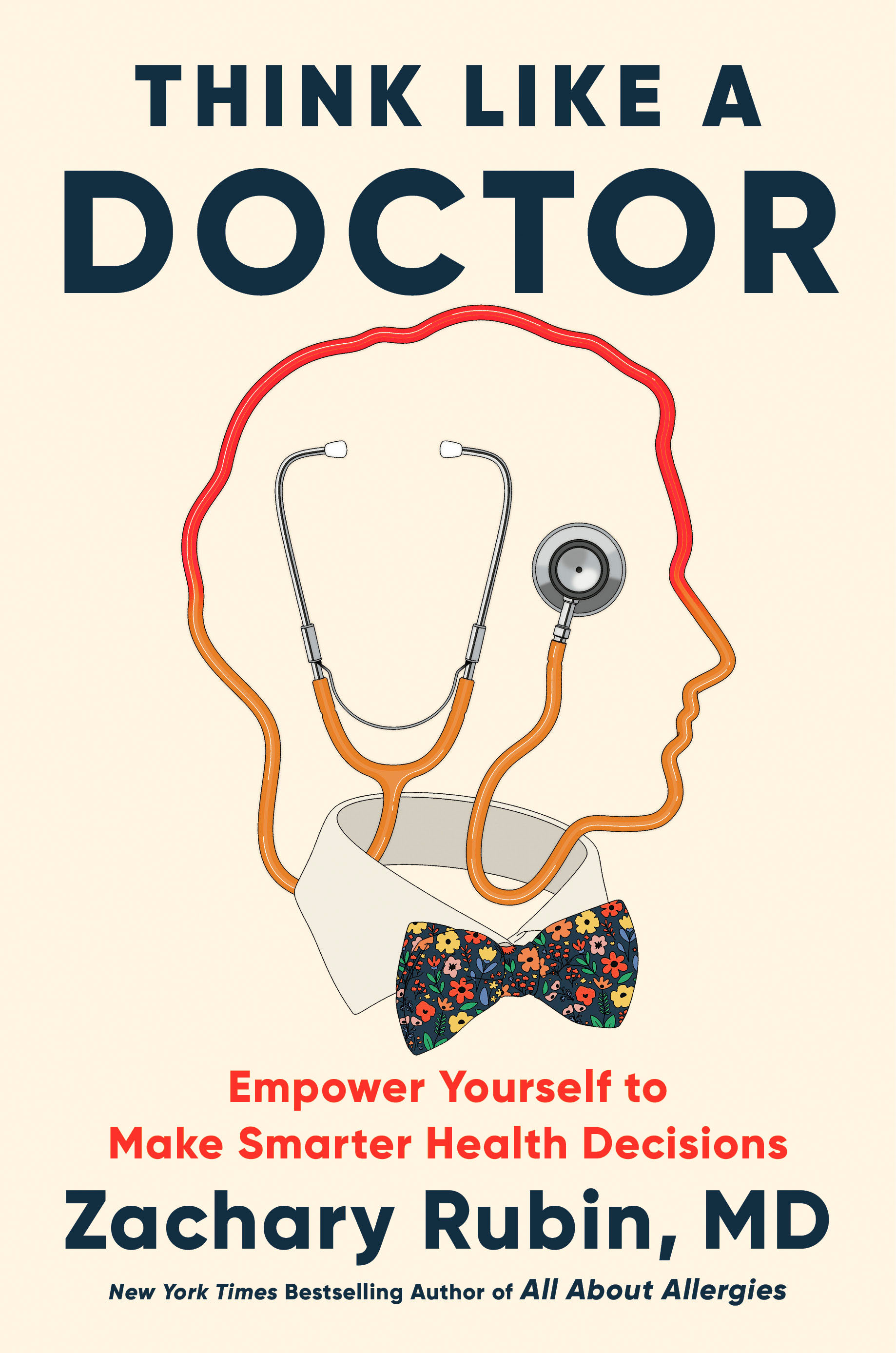
This idea is one of the reasons I wrote my new book, Think Like a Doctor.
The book isn’t about memorizing diseases or becoming your own physician. It’s about developing a framework for evaluating health information in a world overflowing with confident opinions.
How do you tell the difference between evidence and speculation?
When should you trust a headline?
How do you recognize when someone is selling certainty instead of sharing science?
What questions should you ask before believing a viral post?
Those skills matter whether we’re talking about foodborne outbreaks, vaccines, nutrition, supplements, cancer screening, or the latest health trend taking over your social media feed.
The Cyclospora outbreak will eventually end. Another outbreak, another controversy, or another viral health claim will inevitably take its place.
My hope is that when it does, you’ll feel less anxious. Not because you’ll already know every answer, but because you’ll know how to evaluate the information in front of you.
That’s ultimately what Think Like a Doctor is about.
Not giving you certainty but giving you confidence in how to think.
If that sounds like something you’d enjoy, I’d be honored if you’d consider pre-ordering a copy. Every pre-order helps support the book, and I truly can’t wait to share it with you.
IN NOVEMBER VOTE LIKE YOUR LIFE DEPENDS ON IT! BECAUSE IT DOES! TRUMP AND MAGA NAZIS ARE DESTROYING THIS COUNTRY TO ENRICH THEMSELVES AND THEIR CRONIES AND TAKING IT FROM THE WORKING RETIRED AND POOR! STRIPPING LAWFUL PROTECTIONS AND DOING AWAY WITH THE PROCEDURES TO REDRESS OUR VALID ISSUES! WHEN IT'S GONE IT'S GONE FOREVER!
WHAT CDC??? There is no functioning CDC anymore.