
The CDC is Unraveling: Where Do We Go From Here?

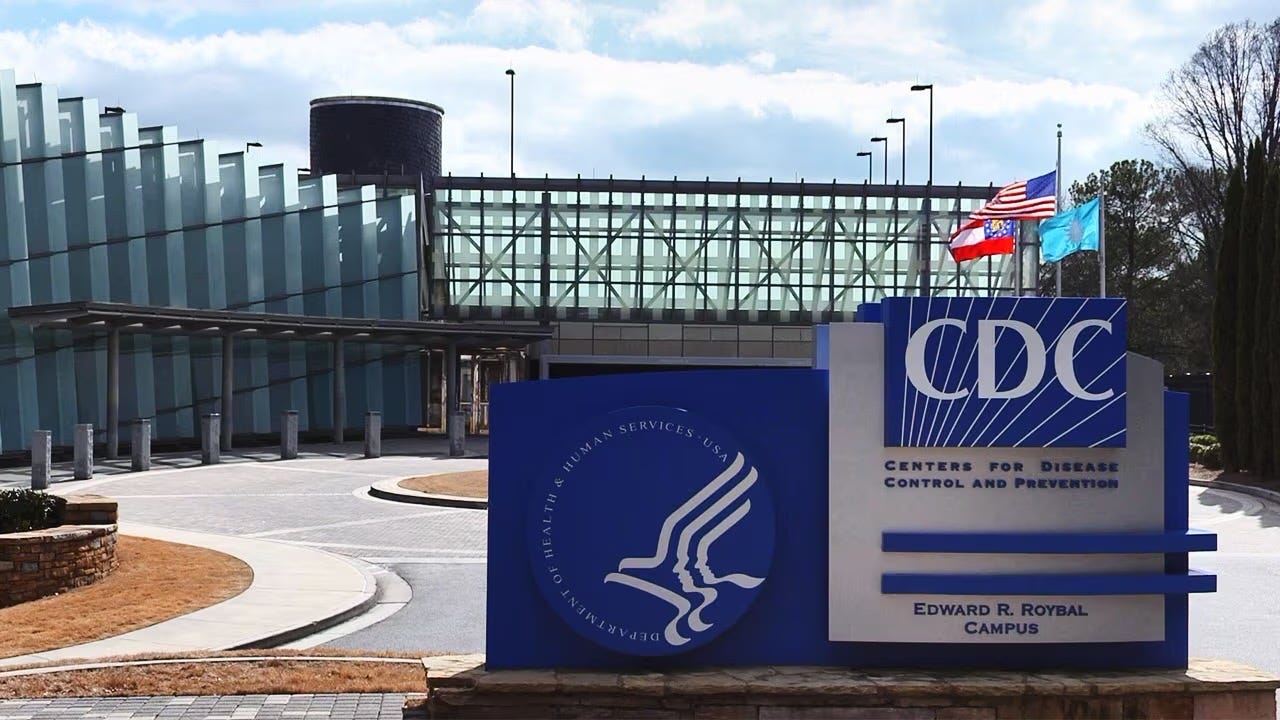
For decades, the Centers for Disease Control and Prevention (CDC) has been the backbone of U.S. public health. It’s the agency doctors like me turn to for evidence-based recommendations on vaccines, infectious disease outbreaks, and emergency preparedness. However, today, the CDC feels like it’s unraveling. Leadership shake-ups, political interference, staff resignations, and communication missteps have left many wondering: can the CDC still be trusted to lead?
This unraveling didn’t happen overnight. The cracks began to show during the COVID-19 pandemic, when shifting guidelines and muddled messaging undermined public trust. The chaos of 2020 revealed deeper structural weaknesses that the agency still hasn’t fixed.
What’s Happening at the CDC?
Leadership turnover: The agency has cycled through directors, deputies, and senior staff, often under pressure from political forces rather than public health priorities.
Resignations and low morale: Experienced scientists are leaving, citing burnout, frustration, and disillusionment. This “brain drain” erodes institutional memory at the exact moment it’s needed most.
Communication failures: The CDC has struggled to speak clearly and consistently to the public. Instead of being the voice of calm authority, it often sounds reactive, defensive, or simply confusing.
Political vulnerability: Both parties have taken swings at the CDC, sometimes accusing it of being too cautious, other times too reckless. Instead of being insulated from politics, it’s been treated as a political football.
The result? Public confidence has plummeted. Polls now show fewer Americans trust the CDC than ever before. And when trust is gone, even the best science falls flat.
Why This Matters
The unraveling of the CDC isn’t just a bureaucratic story, it’s a public health emergency. Without a strong CDC:
Outbreaks spread faster. Whether it’s measles outbreaks or a novel H5N1 influenza strain, response times slow down when coordination falters. Novel infectious diseases will be harder to detect when resources become scarce.
Doctors lose clarity. Physicians like me rely on CDC guidelines when advising patients. If recommendations are unclear, or seen as politically tainted, patients lose confidence in medical advice.
Misinformation thrives. Into the vacuum of trust, conspiracy theories and grifters rush in. Just look at how quickly alternative “experts” on social media filled the gap during COVID and now the department of Health and Human Services is being lead by an antivaccine lawyer with no credible expertise in public health.
We can’t afford a weak CDC. Public health isn’t a partisan issue, it’s the scaffolding that keeps society functioning.
Where Do We Go From Here?
Rebuild Trust Through Transparency: The CDC must be upfront about uncertainty. Science evolves, and guidance will change, but people can handle that if it’s explained clearly. Pretending to have all the answers only backfires.
Protect the CDC from Political Interference: Public health agencies need insulation from short-term politics. Congress could give the CDC more independence, similar to how we treat the Federal Reserve, accountable, but not politically captured.
Invest in the Workforce: A demoralized staff can’t carry out a mission this important. We need better funding, better training pipelines, and a culture that values scientists rather than scapegoats them.
Modernize Communication: The CDC should not just publish PDFs on its website and hope the public finds them. It needs skilled communicators who can meet people where they are—on TikTok, Instagram, and podcasts—without dumbing down the science.
Partner With Trusted Messengers Doctors, nurses, community leaders, and yes, even science creators online, can bridge the gap. The CDC should support, not compete with, these voices.
Final Thoughts
The CDC is unraveling, but that doesn’t mean we let it fall apart. If anything, this moment of crisis should be a wake-up call. We need a strong, independent, and trustworthy CDC now more than ever. Because the next pandemic, the next outbreak, or the next health emergency isn’t a matter of if. It’s a matter of when.
The question is: when that day comes, will we have rebuilt the trust and infrastructure we need, or will we still be picking up the pieces?
Although not required, any support is greatly appreciated.
Yes!! And we need like a public health ombudsman or something.
I agree with your assessment. You have a good plan, but I fear this plan cannot be put into effect until our political system changes and we have a society with less inequality, more stability, and more respect for truth, including science. We aren’t going in that direction now, and I’m afraid the next medical emergency will come before Americans get our act together. I wish I could be more optimistic.